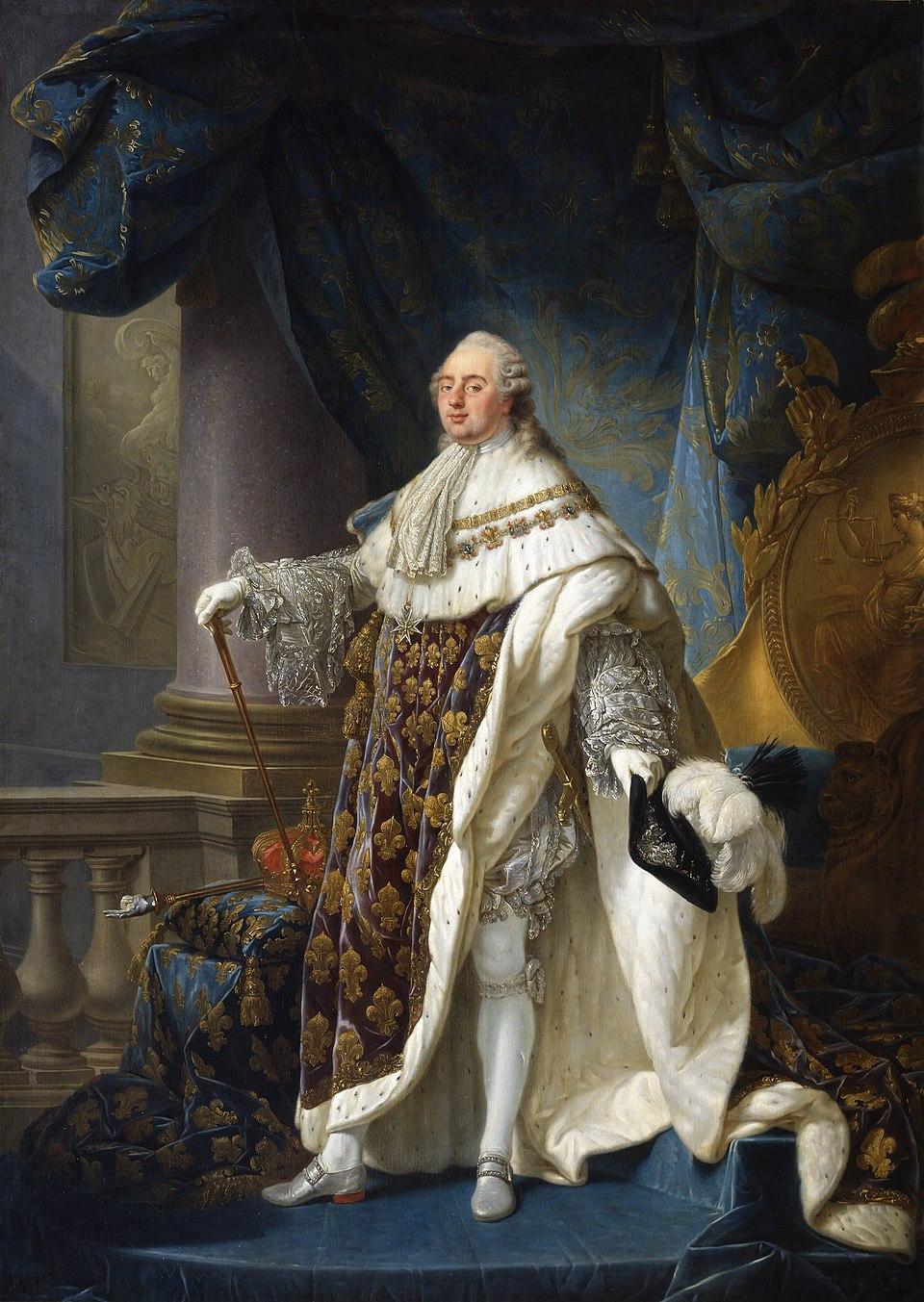
In May 1789, King Louis XVI summoned the Estates General for the first time in 175 years. What he intended as a brief meeting to solve a financial crisis became the spark that ignited the French Revolution.
A Kingdom on the Brink
By 1789, France was essentially bankrupt. Decades of costly wars had drained the royal treasury. Meanwhile ordinary French people were suffering — a series of failed harvests had driven bread prices to historic highs. For the urban poor, who spent up to 80% of their wages on bread alone, this was a crisis of survival.
The Three Estates
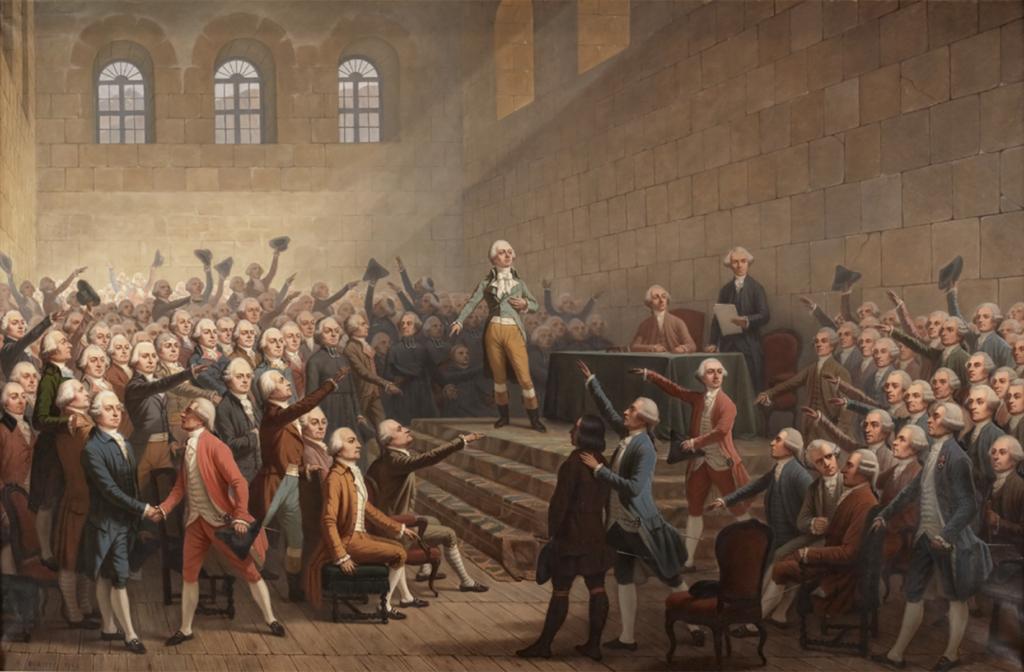
French society was divided into three legal orders. The First Estate was the clergy — about 100,000 people who owned roughly 10% of all land and paid no taxes. The Second Estate was the nobility who also enjoyed sweeping tax exemptions. Together these privileged orders represented less than 3% of the population, yet the Third Estate — 27 million people — bore the full weight of taxation.
"What is the Third Estate? Everything. What has it been until now in the political order? Nothing. What does it ask? To become something."
— Abbé Sieyès, 1789The Meeting at Versailles
The Estates General convened on May 5, 1789 at the Palace of Versailles. Under traditional rules, each estate voted as a bloc — meaning the First and Second Estates could always outvote the Third two to one. The Third Estate demanded votes be counted by head. Louis XVI refused. After six weeks of deadlock, the delegates made a momentous decision: they would no longer play by the king's rules.
The Transformation Begins
On June 17, 1789, the delegates of the Third Estate declared themselves the "National Assembly" and claimed the right to speak for all of France. The king had summoned an advisory body; the people had created a government. The Revolution had begun.