On July 14, 1789, an armed crowd of Parisians stormed the Bastille — a medieval fortress and prison that had stood for centuries as a symbol of royal tyranny. The battle lasted only a few hours, but its meaning echoed across the world.
The City on Edge
Paris in the summer of 1789 was a powder keg. Bread was scarce. On July 11, Louis dismissed his popular finance minister Necker — a signal Parisians took as an imminent royal crackdown. The journalist Camille Desmoulins leapt onto a table at the Palais-Royal and urged the crowd to arm itself. Within hours, Paris was in open revolt.
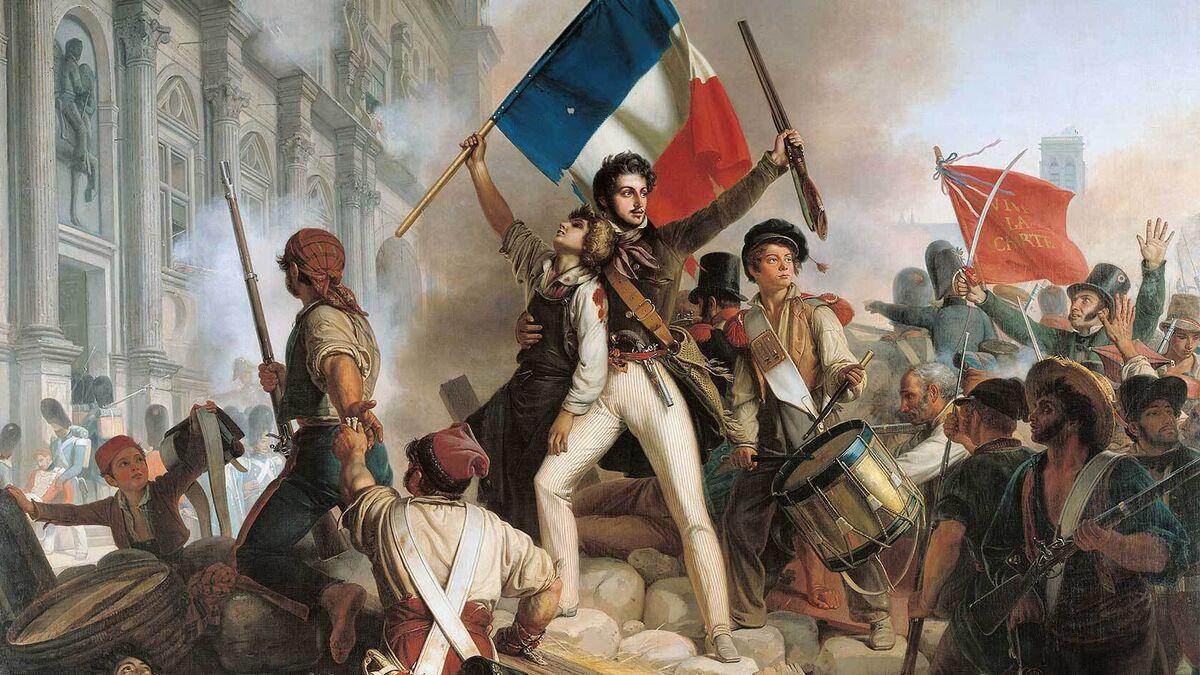
The Attack
On the morning of July 14 a crowd of several thousand converged on the Bastille. The fortress was defended by 82 Invalid soldiers and 32 Swiss guards. After hours of failed negotiation, the attackers poured into the courtyard. Around 98 attackers were killed. Governor de Launay was captured and beheaded, his head mounted on a pike and paraded through Paris.
"Is it a revolt?" — "No, Sire. It is a revolution."
— Louis XVI and his advisor, the night of July 14, 1789Seven Prisoners and a Symbol
The liberated prisoners were anticlimactic — only seven inmates. But the symbolic power of the fortress far outweighed the reality of its occupants.
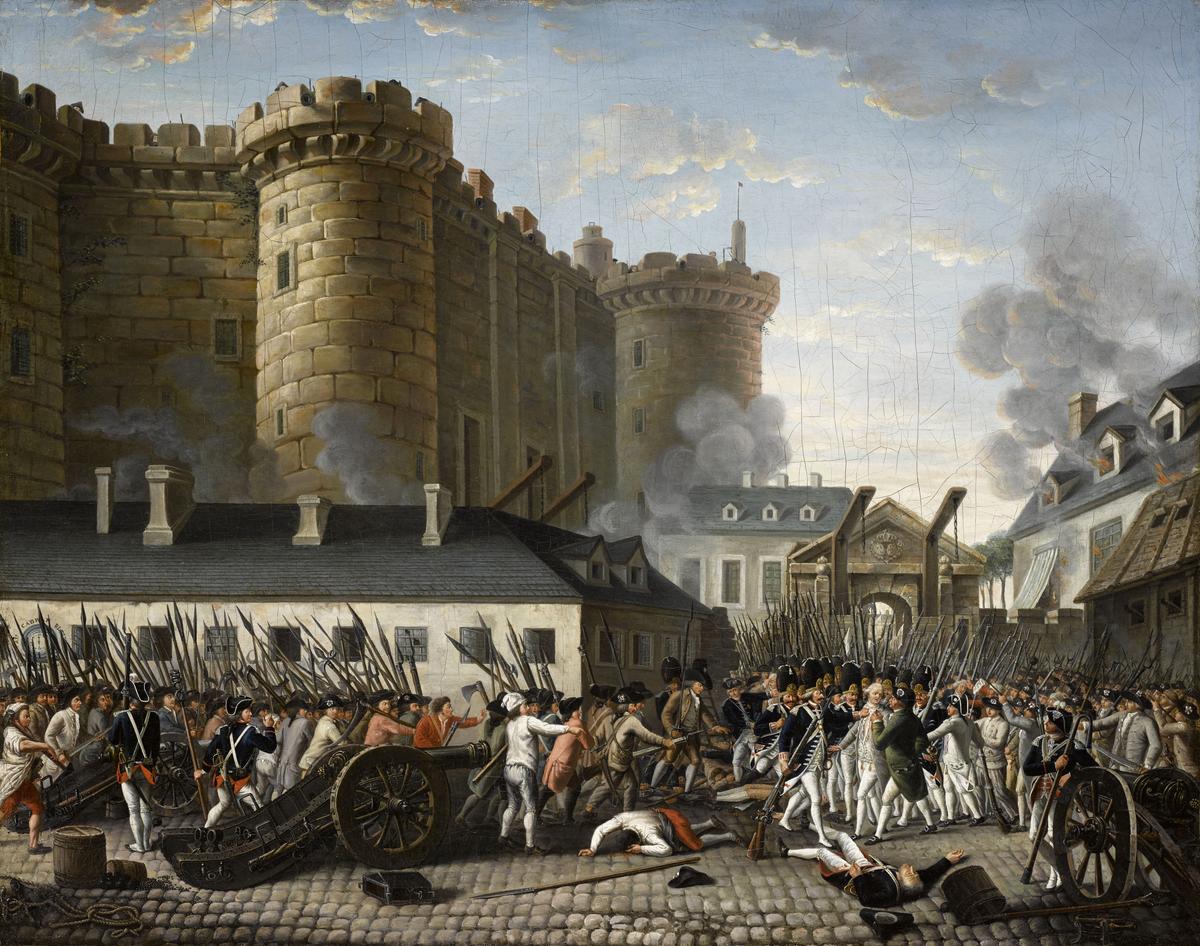
The Aftermath
Louis XVI withdrew his troops from Paris, recalled Necker, and on July 17 accepted a tricolore cockade in Paris. The fall of the Bastille set off the "Great Fear" — a wave of peasant uprisings across France. On the night of August 4, the National Assembly abolished feudalism entirely.